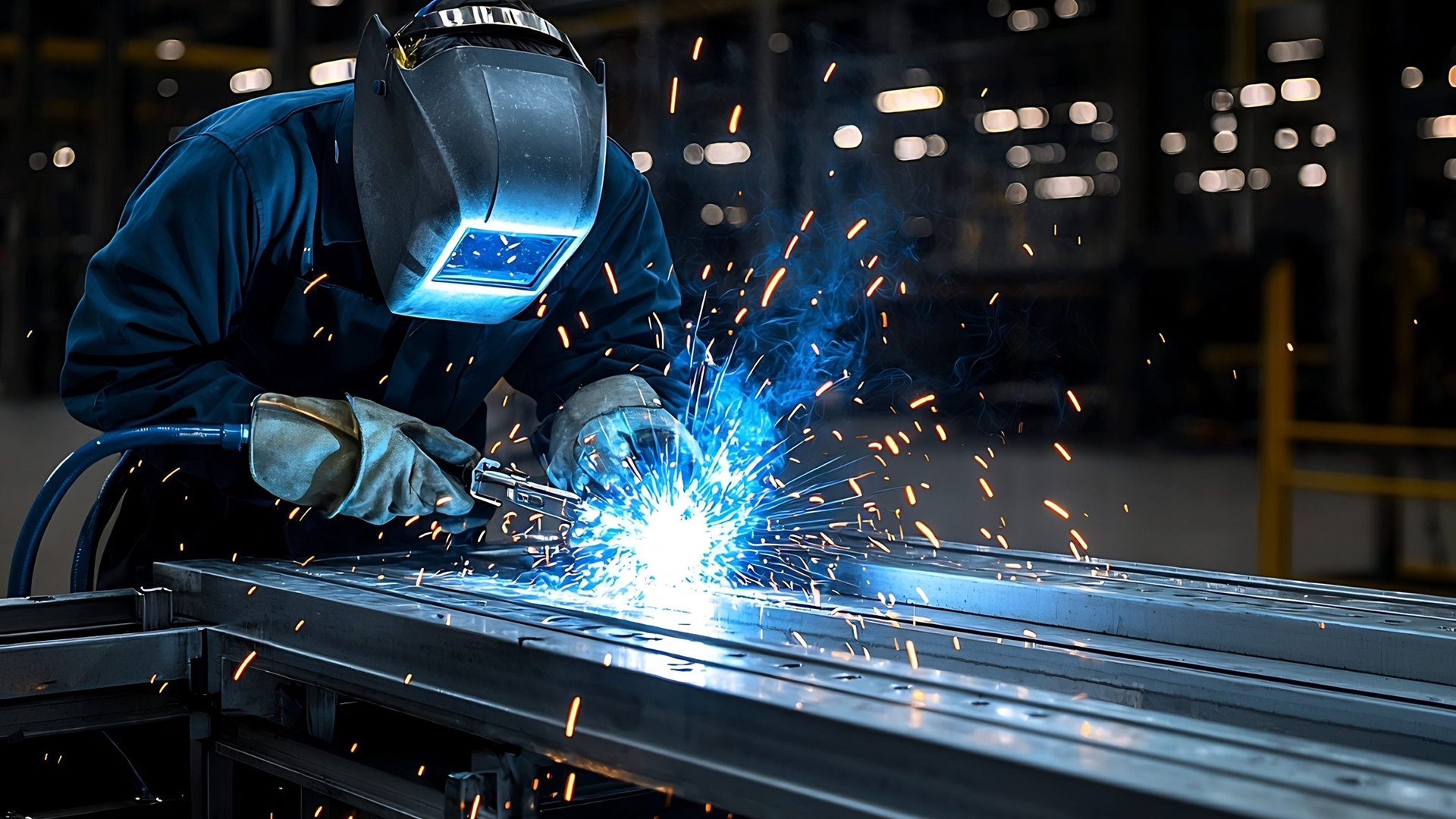
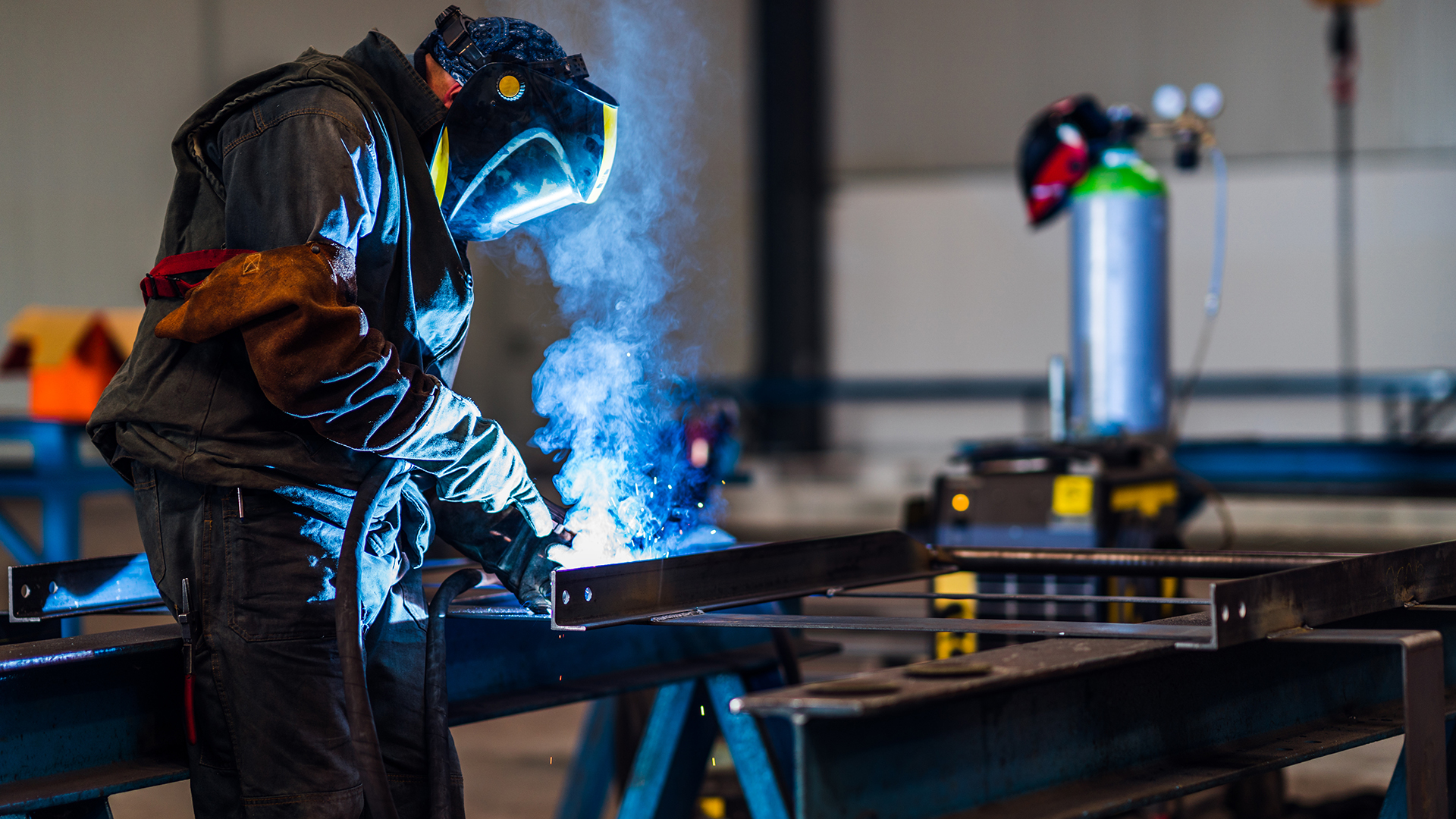
In the world of heavy-duty trailer manufacturing, welding is not merely a technical step; it is the structural backbone of safety, durability, and long-term performance. Every joint, seam, and load-bearing frame depends on the precision and expertise of professional welding. In industrial hubs across the UAE, where trailers are subjected to extreme heat, heavy loads, and demanding terrain, the importance of professional welding cannot be overstated.
For manufacturers and fleet operators alike, the difference between professional welding and substandard workmanship often determines whether a trailer performs reliably for years or fails prematurely under pressure. This is precisely why experienced workshops such as Al-Atef Welding Workshop in the UAE play a critical role in the heavy-duty trailer industry.
The Structural Role of Welding in Heavy-Duty Trailers
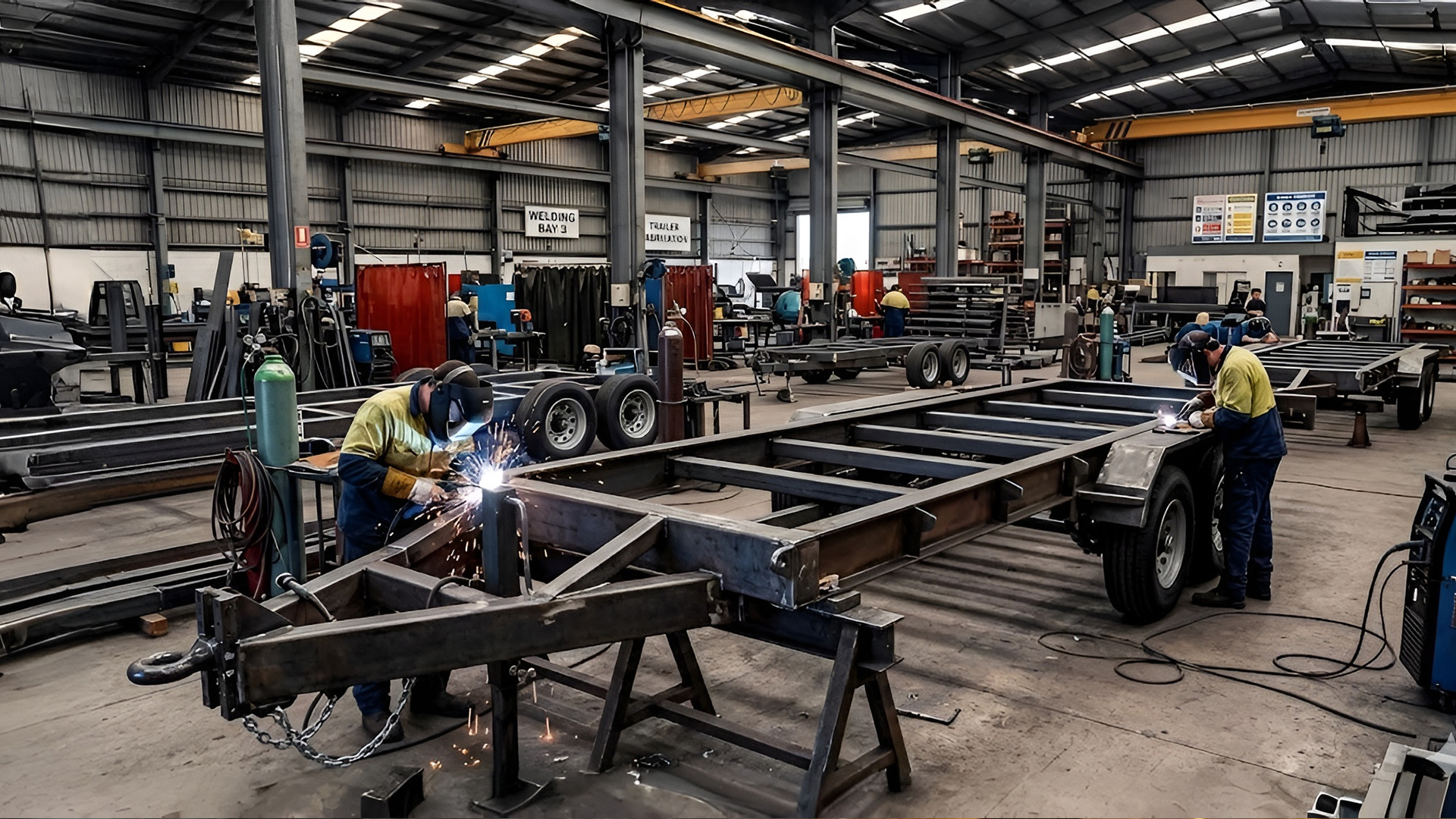
Heavy-duty trailers are engineered to transport substantial loads – construction materials, industrial equipment, fuel tanks, and machinery, often across long distances and challenging road conditions. Welding is what transforms raw steel components into a single, unified structure capable of bearing continuous stress.
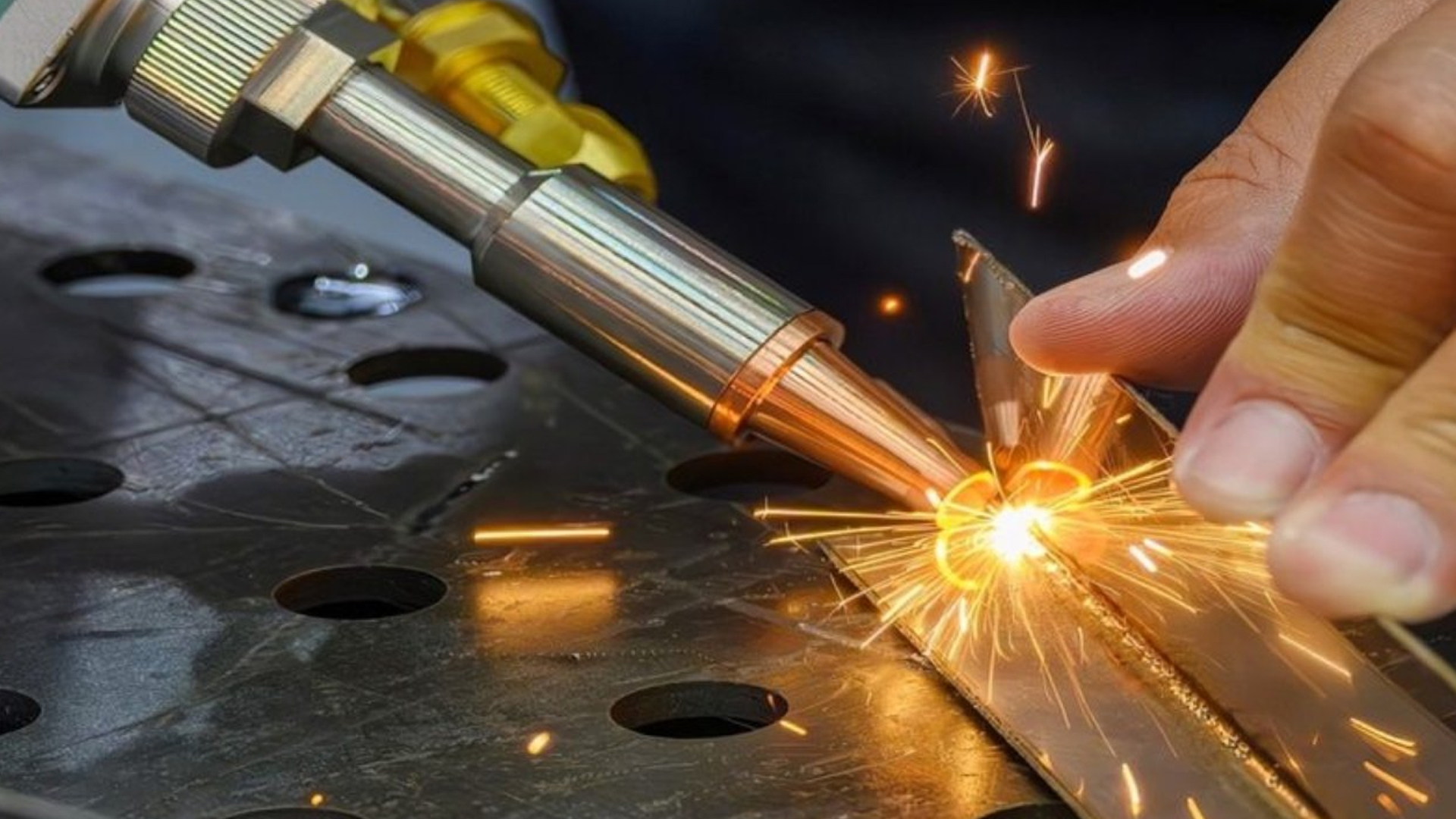
Professional welding ensures that load distribution is even across the trailer frame. When welds are weak, inconsistent, or improperly executed, stress concentrates at vulnerable points. Over time, this leads to metal fatigue, cracks, or catastrophic joint failure. In contrast, high-quality industrial welding creates strong molecular bonds within the metal, allowing the trailer to withstand vibration, torsion, and repeated loading cycles without compromising integrity.
Safety Compliance and Regulatory Standards in the UAE
In the UAE, heavy-duty trailers must meet strict safety and transport regulations. Professional welding is essential for meeting these compliance requirements. Poor welding can result in misaligned frames, unstable axles, or weakened coupling systems – issues that directly threaten road safety.
Certified welding workshops follow established procedures, welding codes, and inspection standards that align with regional and international regulations. This level of compliance not only protects operators and cargo but also reduces liability risks for manufacturers and transport companies. A professionally welded trailer is far more likely to pass inspections, maintain certification, and remain road-legal throughout its operational lifespan.
Load-Bearing Performance and Long-Term Durability
One of the most overlooked aspects of welding in trailer manufacturing is its impact on long-term durability. Heavy-duty trailers are investments, and their value depends on how well they perform over time. Professional welding enhances fatigue resistance, allowing trailers to endure constant load shifts, braking forces, and uneven terrain.
In the UAE’s harsh climate, trailers are exposed to intense heat, sand, and moisture. Inferior welds are more susceptible to corrosion and thermal expansion damage. Professional welding techniques combined with appropriate material selection and finishing, significantly reduce these risks. This results in trailers that maintain structural integrity, require fewer repairs, and deliver a lower total cost of ownership.
Precision Welding and Custom Trailer Fabrication
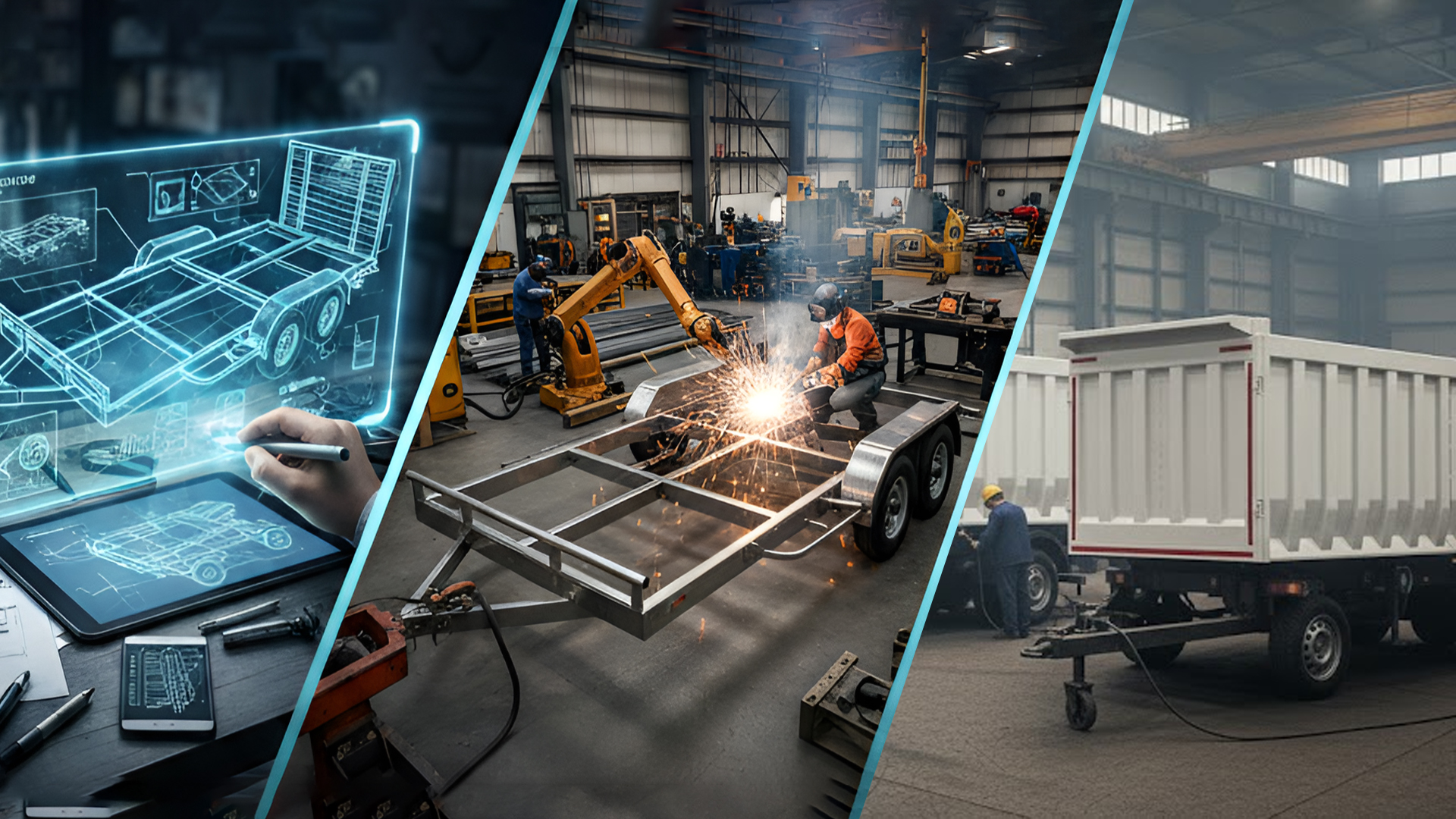
Heavy-duty trailer manufacturing often involves customization based on specific industrial needs. Whether it is a low-bed trailer, flatbed, tanker, or equipment carrier, precision welding is what allows these designs to function as intended.
Professional welders understand how to adapt welding methods to different steel grades, thicknesses, and load requirements. This expertise ensures that custom reinforcements, brackets, and joints integrate seamlessly into the trailer structure. Workshops like Al-Atef Welding Workshop bring practical experience in fabricating and repairing trailers that must perform reliably in real-world industrial conditions, not just on paper designs.
Reduced Maintenance and Operational Downtime
From a business perspective, professional welding directly impacts operational efficiency. Trailers built or repaired with poor welding require frequent maintenance, re-welding, and part replacements. This leads to increased downtime, disrupted logistics schedules, and higher operational costs.
Professionally welded trailers, on the other hand, demonstrate greater resistance to structural wear. Strong welds minimize the likelihood of sudden failures and extend service intervals. For fleet operators in the UAE, where logistics timelines are critical, this reliability translates into measurable cost savings and improved productivity.
Why Professional Welding Is a Strategic Investment
Choosing professional welding in heavy-duty trailer manufacturing is not an expense; it is a strategic investment in safety, performance, and brand reputation. Manufacturers and operators who prioritize expert welding benefit from trailers that meet regulatory standards, withstand demanding conditions, and deliver consistent performance under load.
In industrial regions of the UAE, experienced workshops such as Al-Atef Welding Workshop contribute to this value chain by applying skilled workmanship, industry knowledge, and practical fabrication expertise. Their role extends beyond welding metal; they help ensure that trailers are safe, compliant, and built to perform in some of the toughest operating environments.
FAQs
Why is professional welding important for heavy-duty trailers?
Professional welding ensures structural strength, load-bearing safety, regulatory compliance, and long-term durability in heavy-duty trailers.
What happens if trailer welding is done poorly?
Poor welding can cause frame cracks, uneven load distribution, increased maintenance, safety risks, and premature trailer failure.
Is professional welding required for trailer repairs in the UAE?
Yes. Professional welding is strongly recommended to meet safety standards, pass inspections, and ensure roadworthiness in the UAE.
How does welding quality affect trailer lifespan?
High-quality welding improves fatigue resistance, reduces corrosion risks, and significantly extends the operational life of a trailer.