
Custom Trailer Manufacturing in the UAE: Built Around Your Business
Picture a 70-tonne transformer that must travel from Khalifa Port to a remote power station in Abu Dhabi’s western region. Or a gourmet coffee brand that wants a mobile café to pop up at weekend markets in Dubai. Or a quarry in Ras Al Khaimah that needs a tipper able to unload faster and last longer on rough mountain tracks. Three very different businesses, three very different challenges — and not one of them will be fully satisfied by a standard, off-the-shelf trailer.
This is where custom trailer manufacturing changes the game. Instead of forcing your operations to fit a generic product, a custom trailer is engineered around your cargo, your routes, your customers and your goals. In a country as fast-moving and ambitious as the UAE, that tailored approach can be the difference between simply transporting goods and gaining a genuine competitive edge.
This guide explores what custom trailer manufacturing involves, how the build process works, the industries benefiting most, how needs differ across Dubai, Sharjah, Abu Dhabi, Fujairah and Ras Al Khaimah, and how to make smart decisions when investing in a custom trailer.
Why off-the-shelf trailers often fall short
Standard trailers are designed for the average customer. That works well for routine jobs, but many UAE businesses are anything but average. Common problems with generic trailers include:
- Wasted payload: a trailer heavier than it needs to be reduces how much you can legally carry on every trip
- Poor fit for the cargo: awkward shapes, fragile goods or oversized equipment may not sit securely or efficiently
Unsuitable for local conditions: some imported designs are not built for 50°C summers, desert sand, coastal humidity or steep mountain roads - Extra modifications later: businesses often spend more modifying a standard trailer than they would have spent building the right one from the start
- Missed branding opportunities: a plain trailer does nothing to promote your business on the road
Over the life of a trailer, these small inefficiencies add up to lost revenue, higher maintenance costs and frustrated drivers.

What is custom trailer manufacturing?
Custom trailer manufacturing is the process of designing and building a trailer to meet a specific customer’s exact requirements. Rather than choosing from a fixed catalogue, the customer works with engineers and fabricators to decide on:
- Dimensions, deck height and overall layout
- Payload capacity and number of axles
- Chassis materials and structural design
- Suspension, braking and tyre specifications
- Body type, doors, ramps, sides or enclosures
- Specialised equipment such as hydraulics, refrigeration, tanks, generators or interior fit-outs
- Branding, colours and finishing
The result is a trailer that does exactly what your business needs — no more, no less.

The custom build journey: from idea to open road

Step 1:
Discovery and requirements
Everything starts with a conversation. The manufacturer's team learns about your business: what you will carry, typical load weights, routes, loading methods, operating hours, tractor units in your fleet and any special requirements. The more detail you share at this stage, the better the final trailer will be.

Step 2:
Concept and engineering design
Engineers turn your requirements into a concept. Using computer-aided design (CAD) software, they create detailed drawings and 3D models of the chassis, body and components. Load distribution, axle positioning, turning radius and centre of gravity are carefully calculated to make sure the trailer is stable, safe and efficient.

Step 3:
Review and approval
You review the drawings, specifications and quotation. This is the moment to request changes — adjusting dimensions, adding storage boxes, changing the door layout or upgrading components. Once everything is agreed, the design is finalised and approved for production.

Step 4:
Material sourcing
The manufacturer sources steel, aluminium and components such as axles, suspension systems, brakes, landing gear, kingpins, tyres, lights and any specialised equipment. Using trusted suppliers at this stage is essential for long-term reliability.

Step 5:
Fabrication
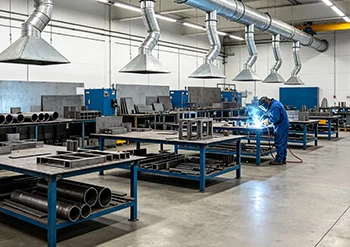
Skilled technicians cut, bend and weld the chassis and body using precision equipment. Quality welding is critical: it determines how well the trailer handles heavy loads, vibration and years of hard use.

Step 6:
Surface treatment and painting
To protect the trailer from heat, humidity, sand and salt, the structure is usually shot-blasted, primed and painted, or galvanised. A strong anti-corrosion finish adds years to the trailer's life, especially for operations near the coast.

Step 7:
Assembly and fit-out
Axles, suspension, brakes, electrical systems and lighting are installed, followed by the body and any special features — hydraulic tipping systems, refrigeration units, water tanks, kitchen equipment, ramps, generators or interior fit-outs.

Step 8:
Testing and quality inspection
Before delivery, the trailer is checked thoroughly: brakes, lights, suspension, hydraulics, coupling, welds and finish. Many manufacturers also carry out load tests and road tests to confirm everything performs as designed.

Step 9:
Registration and handover
The manufacturer supports documentation for inspection and registration with the relevant UAE authorities. At handover, your team receives guidance on operation, maintenance schedules and warranty coverage.
Step 10:
After-sales support
The relationship does not end at delivery. Ongoing servicing, spare parts and future modifications keep your trailer performing for years.
Custom trailer solutions by industry

Construction and infrastructure
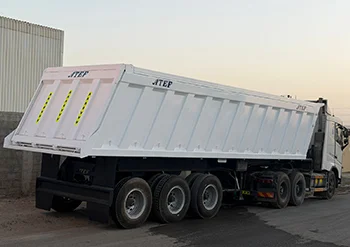
Construction companies need trailers that can handle heavy, awkward and high-value equipment. Custom low beds with hydraulic ramps, extendable flatbeds for long steel beams and precast elements, and reinforced tippers for aggregates are all built to suit specific machines and job sites.
Heavy haul and project cargo
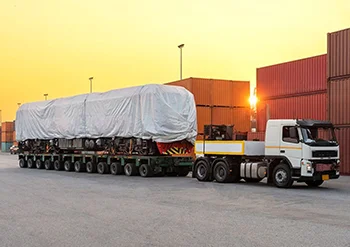
Power plants, desalination facilities and industrial projects often involve transformers, turbines and pressure vessels weighing many tonnes. Custom multi-axle and modular trailers spread these loads safely across the road, often with steerable axles to navigate tight turns.
Oil, gas and energy
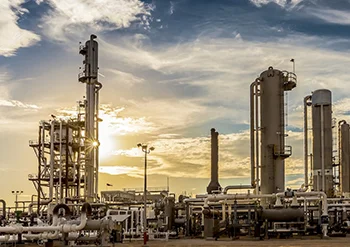
The energy sector relies on custom tankers for fuel, chemicals and water, as well as trailers carrying pipes, drilling equipment and mobile generators. These designs must meet strict safety standards and withstand remote desert operations.

Food and beverage
Food trucks and food trailers have become a vibrant part of UAE life, from beachfront festivals to corporate events. Custom food trailers can include kitchens, ventilation, refrigeration, serving hatches, water systems and eye-catching branding. For distributors, custom refrigerated trailers keep products at precise temperatures in extreme heat.

Events and entertainment
Mobile stages, VIP lounges, mobile bars, restroom trailers and LED screen trailers are in high demand for concerts, sporting events, exhibitions and national celebrations. Each can be designed to set up quickly and impress guests.
Mobile offices and site accommodation
Remote construction and energy sites need practical, comfortable spaces. Custom office trailers, site cabins and welfare units include insulation, air conditioning, electrical systems and furniture tailored to the team's needs.

Healthcare and community services
Mobile clinics, medical screening units, blood donation trailers and vaccination units bring healthcare directly to communities and workplaces. These require careful interior planning, hygiene-friendly materials and reliable power and climate control.
Retail, marketing and brand activation
A custom showroom or promotional trailer turns your brand into a moving billboard. Businesses use them for product launches, roadshows, pop-up shops and mall activations across the Emirates.
Equestrian and livestock
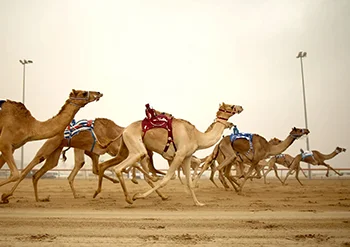
The UAE's strong equestrian and camel racing traditions create demand for custom horse and livestock trailers with ventilation, padding, partitions and climate control to keep animals safe and comfortable.

Logistics and e-commerce
For delivery fleets, custom curtain side and box trailers can be designed with shelving, lift gates, multi-temperature compartments and security features to speed up loading and protect high-value goods.
Custom trailer solutions by industry
Dubai: innovation, events and fast logistics


Abu Dhabi: heavy haul and long distances


Ras Al Khaimah: quarries, cement and manufacturing

Sharjah: industry and practical workhorses
Fujairah: oil, bunkering and mountain roads
Key engineering choices in a custom trailer
Materials
- High-tensile steel offers outstanding strength for heavy-duty chassis and tippers.
- Aluminium reduces weight, increasing payload and fuel efficiency, and resists corrosion naturally.
- Stainless steel is ideal for food-grade and chemical tankers where hygiene and corrosion resistance are critical.
- Wear-resistant steel extends the life of tipper bodies carrying abrasive rock and aggregates.
Axles and suspension
The number and type of axles determine how weight is spread and how much the trailer can legally carry. Mechanical leaf spring suspension is rugged and cost-effective for rough sites, while air suspension provides smoother rides that protect fragile cargo and reduce wear on roads and components. Lift axles and steerable axles add flexibility for varying loads and tight turns.
Braking and safety
Powerful braking systems, anti-lock braking (ABS), reflective markings, side underrun protection, LED lighting and secure load restraint points all contribute to safer journeys on busy highways and mountain roads.
Climate-ready design
In the UAE, custom trailers should be designed for extreme heat and dust: heat-rated tyres, sealed electrical connections, quality insulation for refrigerated or occupied units, and finishes that resist UV fading.


Smart features shaping the future
- GPS tracking and telematics for real-time location, route monitoring and theft prevention
- Tyre pressure monitoring systems to prevent blowouts in summer heat
- Temperature monitoring for refrigerated cargo, with alerts sent to fleet managers
- Load and axle weight sensors to avoid overloading fines and protect the trailer
- Solar panels to power lighting, refrigeration or onboard equipment
- Rear and side cameras to improve driver visibility and safety
- Lightweight design optimisation to reduce fuel consumption and emissions in line with the UAE's sustainability goals
What affects the cost of a custom trailer?
- Size, payload capacity and number of axles
- Choice of materials (steel, aluminium or stainless steel)
- Suspension, braking and tyre specifications
- Complexity of the body and special equipment
- Interior fit-outs for food, office, medical or event trailers
- Technology upgrades such as telematics and sensors
- Finishing, branding and paint quality
- Production timelines and urgency
Compliance and safety in the UAE
Custom trailers must meet UAE and applicable GCC standards before they can operate on public roads. This typically involves conformity with vehicle technical requirements, inspection, registration and insurance with the relevant traffic authority, and staying within permitted weight and dimension limits.
Oversized loads may require special permits, and tankers carrying hazardous materials must follow dangerous goods regulations. Because requirements can be updated, it is important to confirm current rules with the authorities and to work with a manufacturer experienced in UAE compliance from the design stage.
Common mistakes to avoid
Choosing on price alone
Instead of focusing on total cost of ownership over the trailer's lifespan.
Giving incomplete requirements
Incomplete specifications lead to costly and time-consuming changes later.
Ignoring tractor compatibility
Failing to check compatibility with your existing tractor units and loading equipment.
Overlooking future needs
Not planning for heavier loads, larger volumes, or new operational routes.
Skipping compliance checks
Failing to review regional standards and regulations at the design stage.
Underestimating after-sales support
Support matters most when a trailer is off the road and requires rapid parts or service.
Frequently asked questions
How long does it take to build a custom trailer?
Can an existing trailer be customised?
Are custom trailers more expensive to maintain?
Can custom trailers carry my company branding?
Conclusion
In a country that thinks big and moves fast, a trailer should be more than a box on wheels. Custom trailer manufacturing gives UAE businesses the freedom to carry more, work smarter, operate safely and stand out; whether hauling transformers across Abu Dhabi, serving coffee at a Dubai festival, moving steel through Sharjah, transporting fuel in Fujairah or carrying aggregates from Ras Al Khaimah’s quarries.
When you are ready to build a trailer around your business, Atef Trailer Manufacturing is here to turn your ideas into reality. Serving clients across Dubai, Sharjah, Abu Dhabi, Fujairah and Ras Al Khaimah, Atef Trailer Manufacturing combines expert engineering, quality materials, skilled fabrication and dependable after-sales support to deliver custom trailers that perform from day one. Contact Atef Trailer Manufacturing today and start building the trailer your business deserves.